The $100 Mistake You Make When Claiming Free Robux Online
Millions of players risk losing account access and gift card balances by falling for third-party Robux generators. Discover the specific security mistake that costs users up to $100 and how to claim rewards safely.
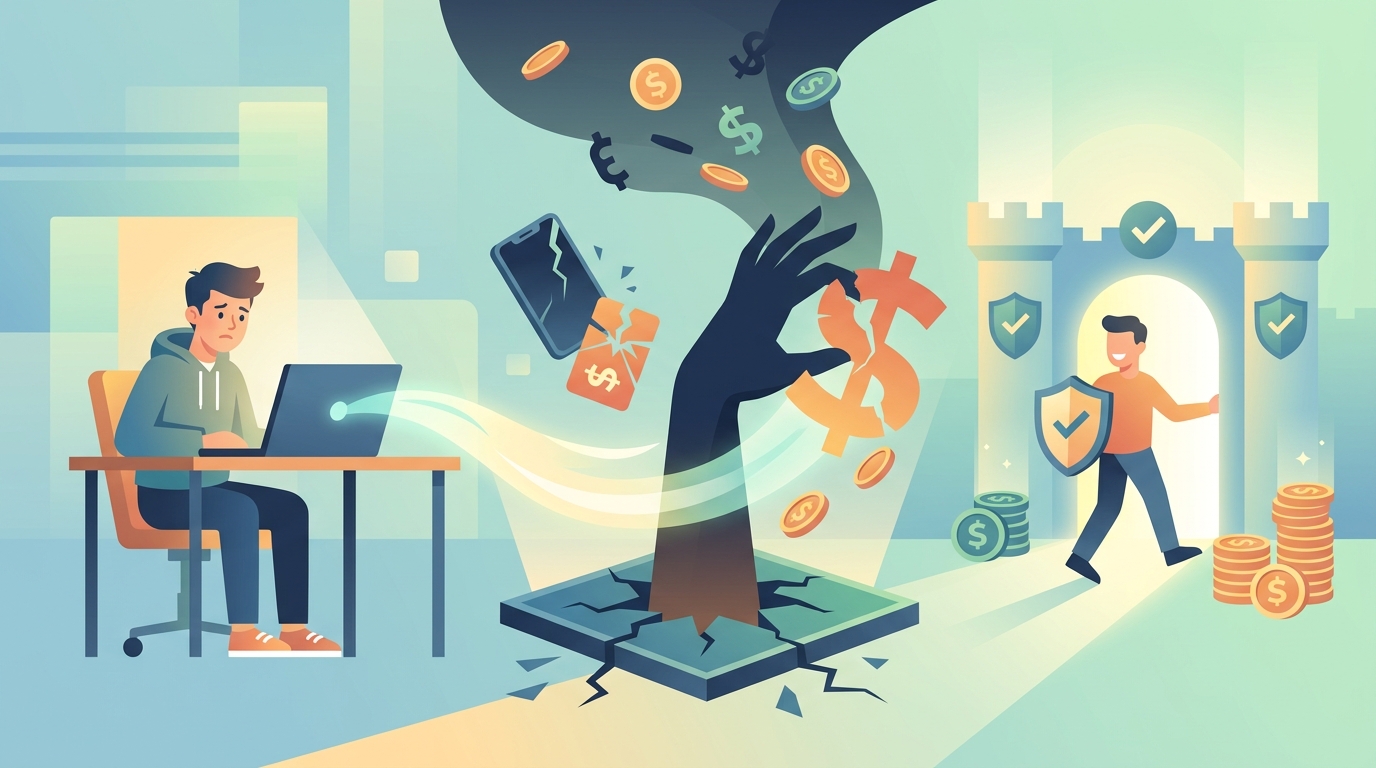
A single misstep during digital reward claims can cost online players $100 or more in compromised accounts and lost funds. Scammers often target gaming communities by promising free virtual currency in exchange for personal verification or small fee transfers (Source 1). Federal agencies report that imposter scams and unauthorized billing tricks remain among the most common financial traps on mobile platforms (Source 2). When players enter credentials into unauthorized third-party sites, they risk losing both their stored wallet balances and paid items. Recognizing how these fake generator portals operate is the fastest way to protect your account while finding legitimate platform promotions (Source 1). Consumer guidance emphasizes that official virtual currencies are never distributed through unofficial pop-up forms or fee-based claim tools (Source 2). Here is the exact mistake that triggers heavy losses and how you can avoid it today.
The Hidden Mechanics Behind Third-Party Robux Promos
Many players begin their search for virtual currency by clicking external links that promise thousands of digital coins without any upfront cost. These external claim portals usually feature polished web interfaces, complete with running account counters, fake activity feeds, and stolen platform branding. Federal regulatory guidelines note that these sites rely on carefully staged visual scripts rather than legitimate database connections to trick visitors (Source 1).
When a user submits their account name into an unofficial claim tool, the browser displays a dramatic progress bar alongside simulated system logs. Text lines quickly scroll across the screen, displaying phrases like connecting to game server, locating user profile, and authorizing balance transfer. The Federal Trade Commission warns that these technical displays are pre-rendered animations designed to build trust and keep the user on the page (Source 1).
As the progress bar reaches the end, the animation abruptly pauses and requests a human verification step. The site informs the player that to release the generated currency, they must complete two or three promotional tasks, such as downloading mobile applications or filling out market research questionnaires. The Consumer Financial Protection Bureau reports that these verification redirects often force consumers into recurring subscription programs with hidden weekly or monthly billing cycles (Source 2).
| Claim Site Stage | Screen Display | Actual Technical Reality |
|---|---|---|
| Account Input | Searching platform database... | Static web page captures form data without searching (Source 1) |
| Resource Injection | Adding 10,000 Robux to account... | Pre-made loop plays video file or CSS animation (Source 1) |
| Human Verification | Complete 2 quick offers to unlock | User redirected to third-party affiliate offer wall (Source 2) |
| Final Step | Processing delivery (stuck at 99%) | Affiliate earns commission; no currency is delivered (Source 1) |
Major gaming networks and platform creators explicitly state in their security documentation that third-party currency generators do not exist. Virtual assets are managed on secure, closed cloud databases that cannot be modified by external websites or browser scripts (Source 1). Any tool claiming to inject currency into a user account from an outside domain is fundamentally fraudulent (Source 1).
The operational goal of these sites is not to give away virtual items, but to collect affiliate payouts or siphon payment details. When users enter credit card numbers to pay for a $1 trial during the verification phase, fine print terms frequently convert those charges into ongoing subscription fees that can total $100 or more in unexpected losses over time (Source 2).
Understanding these visual illusions explains how claim tools trick players into completing offers, but entering your account details opens up an even more dangerous direct risk.
How Account Credentials Trigger Instant Financial Losses
Many players believe that entering their login details on external web forms is a standard verification step for receiving promotional items. However, fraudulent websites set up deceptive portals designed to mirror legitimate login screens (Source 1). These phishing portals request account passwords and active session tokens under the false premise of delivering direct account deposits of virtual currency (Source 1). When a user submits these details, no digital assets are transferred to the account; instead, the sensitive credentials are logged and transmitted directly to unauthorized third parties (Source 1).
Once unauthorized actors obtain these login credentials, an immediate account takeover takes place (Source 2). Compromised access allows perpetrators to modify account recovery details, change passwords, and lock out the legitimate owner (Source 2). During this unauthorized window, attackers systematically drain stored monetary assets, including digital gift card balances valued at $100 or more (Source 2). According to consumer protection data, once an account is taken over, attached digital wallets and saved balances are routinely liquidated before the account owner can initiate recovery protocols (Source 2).
The financial impact is rarely limited to a single gaming platform. Many consumers reuse identical passwords and email combinations across multiple personal accounts (Source 1). The Federal Trade Commission notes that bad actors use automated credential stuffing tools to test stolen gaming logins across secondary services, including personal email, social media, and financial management applications (Source 1). This practice significantly increases the risk of broader secondary security breaches and potential identity theft (Source 1).
| Threat Stage | Deceptive Mechanism | Financial & Account Impact |
|---|---|---|
| Initial Credential Capture | Phishing forms request passwords for automated deposits (Source 1) | Loss of account access and session tokens (Source 1) |
| Account Takeover | Attackers change recovery emails and passwords (Source 2) | Immediate loss of gift card balances up to $100+ (Source 2) |
| Credential Stuffing | Stolen logins are tested on secondary platforms (Source 1) | Increased exposure for banking and email accounts (Source 1) |
Session token harvesting represents a particularly evasive threat vector in these promotional traps (Source 1). Even if an account utilizes basic security protections, entering credentials into an untrusted third-party interface can expose authentication tokens that bypass traditional security prompts (Source 1). Once attackers gain hold of an active token, they can perform actions as the account owner, purchasing items or liquidating digital balances in real time without triggering additional login alerts (Source 2).
Understanding how these fake deposit interfaces capture user data is the first step toward avoiding severe account losses (Source 1). Gamers often underestimate the direct cash value stored within their gaming profiles, but accumulated balances and attached gift cards represent real monetary assets that bad actors target specifically (Source 2). Protecting these assets requires recognizing that legitimate platforms never request login credentials on external websites to complete reward transfers (Source 1).
Read on to see the real cost breakdown of unofficial claim links and how individual clicks convert into hidden charges.
The Real Cost Breakdown of Unofficial Claim Links
Tapping an unverified link promising free virtual currency rarely leads to a zero-cost payout. Instead, these third-party claim portals are engineered to siphon money from mobile users through multi-layered monetization schemes. When players enter personal details or complete forced survey steps under the pretense of human verification, they often agree to hidden terms buried in lengthy fine print. These mechanisms convert a simple tap into immediate financial losses that quietly accumulate on monthly account statements (Source 2). Scammers design these landing pages to mirror official brand aesthetics, creating a false sense of security that lowers the user's defensive instincts.
One of the most prevalent financial traps involves automated mobile billing systems. Scammers frequently leverage premium SMS services or carrier billing integrations that automatically attach recurring charges to a user's mobile phone bill without explicit consent. Typical unauthorized mobile subscription charges range from $10 to $50 per month on fee schedules (Source 2). Because these monthly line items often appear under obscure vendor names or abbreviated merchant codes, account holders frequently overlook them for several billing cycles before realizing they are paying for phantom content subscriptions or unapproved text alert services.
Direct mobile billing charges are only one part of the broader financial damage caused by fake claim links. When players surrender their login credentials on fake claim pages under the impression that they are logging in to receive a reward, they give unauthorized third parties full access to their digital inventory. Stolen account inventories with rare items are resold illegally for upwards of $100 (Source 1). Scammers immediately strip the compromised account of valuable tradeable items, limited-edition avatar cosmetics, and remaining virtual currency balances, transferring them to secondary holding accounts before the original owner can initiate an account recovery process.
The overall financial fallout from these unauthorized links frequently surpasses the nominal value of any promised virtual currency reward. According to federal consumer protection data, online payment schemes cause substantial out-of-pocket damage to everyday internet users who fall victim to deceptive online links. FTC data shows consumer loss medians from online payment scams frequently exceed $100 per incident (Source 1). Combining unauthorized monthly subscriptions, stolen digital assets, and direct credit card debits explains why a single wrong tap can easily turn into a significant triple-digit mistake for casual gamers.
| Loss Category | Typical Amount / Figure | Impact Mechanism & Source |
|---|---|---|
| Unauthorized Mobile Subscriptions | $10 to $50 per month | Recurring carrier billing charges attached via survey forms (Source 2) |
| Stolen Account Inventory Resale | Upwards of $100 | Illegal liquidation of rare cosmetics and virtual items (Source 1) |
| Median Payment Scam Loss | Exceeds $100 per incident | Direct monetary drain from unauthorized payment claims (Source 1) |
Understanding these specific cost vectors makes it clear why unauthorized claim links remain so profitable for bad actors despite frequent platform bans and public safety announcements. By spreading small charges across thousands of victim accounts, scam operators create massive revenue streams at the expense of unsuspecting players. Fortunately, gamers do not need to rely on high-risk third-party links to build up their in-game account balances safely.
Read on to discover the exact step-by-step methods for claiming legitimate virtual currency through verified, platform-approved reward programs.
Step-by-Step Guide to Claiming Legitimate Virtual Currency
Earning virtual currency without risking account integrity requires following strict, verified paths inside the official platform ecosystem. Players often lose access when they paste codes into unverified browser forms. Federal consumer guidance stresses that digital rewards should only be claimed by redeeming official gift card codes directly inside the platform's verified billing settings (Source 1). This ensures that key voucher data passes exclusively through encrypted internal channels rather than third-party servers. Navigating directly to the official settings menu bypasses potential web redirects designed to capture personal login data. When entering a pin or promotional string, always verify that the browser address bar displays the platform's registered domain name.
Securing an account before attempting any promotional offer is just as critical as the redemption process itself. If a user previously clicked on suspicious external links, their credentials could already be exposed in automated data logs. Consumer protection agencies recommend enabling two-factor authentication to block unauthorized login attempts after tapping third-party links (Source 2). Two-factor protection adds an extra security layer by requiring a secondary code sent via an authenticator application or text message before granting access. Even if an unverified website captures a password, secondary verification stops automated bots from executing unauthorized transactions or draining stored platform balances.
Players looking for legitimate ways to accumulate virtual balances can turn to approved promotional methods that do not compromise personal safety. Federal trade guidelines point out that users can use official creator affiliate links or authorized reward partner apps to earn legitimate platform credits (Source 1). Official partner apps function by awarding points for completing verified tasks, such as filling out market surveys or testing mobile applications. These accumulated points are then converted into official gift cards or direct platform credits through authorized redemption APIs. Verified creator links also allow players to support content developers while earning promotional bonuses, maintaining full security within the platform ecosystem.
| Step | Action Required | Official Pathway | Security Function |
|---|---|---|---|
| 1 | Account Hardening | Security Settings Menu | Enable two-factor authentication to stop automated logins (Source 2) |
| 2 | Partner Earning | Authorized Reward Apps | Earn platform credits safely via official partner APIs (Source 1) |
| 3 | Direct Redemption | Verified Billing Settings | Redeem official gift card codes on primary domain (Source 1) |
| 4 | Balance Audit | Account Transaction History | Verify ledger updates without clicking external links |
Tracking account activity after completing any redemption step guarantees that credits arrive safely without unexpected billing adjustments. Official portals maintain an itemized transaction ledger that records every redeemed card, code value, and store transaction. Checking this internal ledger provides immediate confirmation of added balances without requiring users to communicate with external vendors. If a code fails to process inside official billing settings, users should contact customer support directly rather than seeking help from public web forums or third-party recovery services.
Legitimate reward programs never request sensitive items like account passwords, administrative pin numbers, or personal identity documents. By relying exclusively on official billing pathways and partner integrations, players avoid the financial traps hidden behind unofficial web forms. Taking a systematic approach to account security keeps gaming balances intact while unlocking real value from verified promotions.
Next, we examine exactly how unofficial code generators stack up against official reward programs in speed, success rate, and security risks.
Comparing Unofficial Generators Against Authorized Reward Programs
Many players attempt to bypass standard purchase channels by searching for web-based virtual currency generators online. These third-party sites frequently claim they can inject digital funds directly into a user profile without any cash payment. However, these fake generators almost always ask for sensitive personal credentials, including account passwords, social media logins, or primary email addresses (Source 1). In stark contrast, authorized reward applications and official marketing partners only ask users to complete standard promotional tasks. These verified platforms reward users for downloading sponsored mobile software, watching promotional video clips, or answering consumer preference panels (Source 1).
The mechanics of how rewards reach the player reveal another critical distinction between scams and legitimate services. Official platform giveaways and authorized distribution partners provide redeemable promo codes or digital gift voucher strings (Source 2). Players copy these verified digital codes and enter them directly into the gaming platform's secure redemption portal. Unofficial generators do not possess valid redemption codes. Instead, they force users into endless verification loops that require completing external surveys or signing up for recurring mobile subscriptions (Source 2). These external surveys exist solely to collect affiliate revenue for the scam operator while leaving the user with zero added currency.
Using unauthorized third-party software tools also introduces immediate account safety risks that extend beyond lost money. Automated generator tools and unauthorized exploitation scripts strictly violate the platform terms of service (Source 1). Gaming platforms employ automated moderation routines that monitor account activity for irregular currency additions or unauthorized external API connections. When system filters detect interaction with unauthorized third-party software, the platform can permanently ban the user account (Source 1). This results in the complete loss of all legitimately acquired items, saved game progress, and paid balance history.
| Feature / Metric | Unofficial Web Generators | Authorized Reward Programs |
|---|---|---|
| Credential Requirements | Demands private account passwords or login details | Only requires standard app registration |
| Verification Method | Forces external survey completions and app downloads | Tracks completed promotional tasks inside the app |
| Reward Delivery | Claims direct balance injection (fails to deliver) | Issues official digital promo codes or gift cards |
| Platform Rules | Violates terms of service and usage rules (Source 1) | Operates within approved partner guidelines |
| Account Safety Impact | High risk of credential theft and account ban (Source 1) | Zero exposure of private login details (Source 2) |
Legitimate reward programs operate on clear, transparent business models funded by advertising sponsors. Brands pay these authorized reward platforms to connect with active mobile users and gather market research data. Because these companies generate revenue directly from advertiser budgets, they never have a reason to ask for a player's private gaming password or financial account information (Source 1). Recognizing this distinction makes it easy to evaluate any new reward offer that appears online.
Choosing authorized reward pathways requires patience, but it helps ensure your gaming profile remains secure and compliant with platform rules (Source 2). While genuine task-based reward apps yield smaller amounts over time, they eliminate the risk of identity compromise. Read on to learn the specific protection rules and long-term habits every digital gamer needs to safeguard their virtual assets against evolving online threats.
Future Outlook and Protection Rules for Digital Gamers
Federal agencies are expanding public enforcement against online gaming traps. Federal regulators urge consumers to report fraudulent payment portals immediately to government agencies such as the Federal Trade Commission and the Consumer Financial Protection Bureau (Source 1, Source 2). When players submit official reports, authorities can better map out phishing operations that impersonate virtual currency generators (Source 1). Prompt action helps block fake domains before thousands of additional mobile users fall for deceptive trial offers or unauthorized charge schemes (Source 2).
Mobile operating systems are also upgrading their defensive tools to isolate malicious pages. Mobile platforms continue implementing automated detection to flag unauthorized external login redirects before a page loads completely (Source 1). These built-in security systems analyze incoming web requests for signs of credential harvesting and suspicious payment form overlays (Source 1). When a web browser detects an unverified popup asking for account credentials, it triggers an automated warning that gives users time to close the window safely (Source 1).
Financial monitoring remains a vital line of defense against unexpected card charges. Safeguarding payment methods and monitoring bank statements prevents recurring unauthorized microtransactions from draining linked accounts over time (Source 2). Scammers frequently process an initial low-dollar charge to test if a card is valid before initiating larger recurring monthly fees (Source 2). Regularly checking online banking activity allows players and parents to spot unauthorized merchant codes and dispute invalid fees quickly (Source 2).
- Check for external URL redirects before entering any billing or login information (Source 1).
- Remove saved credit cards from mobile browsers to prevent automatic checkout popups (Source 2).
- Enable two-factor authentication on all gaming accounts to stop unauthorized logins (Source 1).
- Audit bank and card statements at least once a month for unrecognized small charges (Source 2).
- Report active scam links immediately to official regulatory reporting portals (Source 1, Source 2).
Staying informed about emerging deceptive tactics ensures you do not overpay or compromise your private data for digital items. By combining platform security tools with active financial oversight, mobile gamers can safely navigate online reward offers without risking unexpected out-of-pocket expenses (Source 1, Source 2).
Frequently asked questions
Can you actually get free Robux from third-party generator websites?
No, official platform rules prohibit third-party generators. The Federal Trade Commission notes that scammers frequently set up fake offers promising free virtual items to steal personal information or money (Source 1). Entering account details on external sites exposes users to unauthorized charges and account loss (Source 2). Always avoid third-party generator links.
How do fake Robux claim links cause a $100 financial loss?
Fake sites frequently trick users into signing up for recurring paid subscriptions or entering payment card info for identity verification. Consumer protection agencies note that deceptive billing practices and stolen financial credentials quickly lead to unauthorized charges averaging $100 or more (Source 2). The FTC advises reviewing monthly statements to spot recurring fees early (Source 1).
What should you do if you shared your login details on an unofficial site?
If you shared account details, change your password immediately and log out of all active sessions. The CFPB recommends reporting unauthorized electronic transfers to your bank or card issuer right away to limit liability (Source 2). Additionally, the FTC suggests filing a report at ReportFraud.ftc.gov to help law enforcement track scam networks (Source 1).
Are there legitimate ways to earn virtual currency without paying full price?
Yes, legitimate options include earning official gift cards through verified partner reward apps or participating in official creator programs. Federal regulators emphasize using authorized platforms rather than unverified links to avoid deceptive practices (Source 2). Always confirm promo offers through primary platform channels before sharing any personal data (Source 1).
How can parents protect children from online reward scams?
Parents should enable two-factor authentication on gaming accounts and remove saved credit card details. The FTC highlights that scammers often target younger players with fake giveaways to gain access to family financial accounts (Source 1). Teaching children to identify common red flags, like requests for passwords or payment verification, prevents losses (Source 2).
How do you report a fraudulent Robux offer or scam site?
You can report fraudulent websites directly to federal consumer protection agencies. The FTC collects consumer scam reports to analyze fraud patterns and support law enforcement actions against deceptive operators (Source 1). The CFPB provides tools to help consumers submit complaints and dispute unauthorized charges caused by online scams (Source 2).
Sources
- How To Avoid a Scam — Federal Trade Commission
- Frauds and Scams — Consumer Financial Protection Bureau
This article is for general information only and is not professional advice. Figures come from public sources and change over time; check the official source before you act.
More from Daily Facts Wire
- How You Can Get Official Robux Without Spending Any Money
- The $100 Mistake You Make When Claiming Free Robux Online
- The 30 Second Account Trick That Solves Your Blocked Robux
- The Hidden Rule That Blocks Your 10000 Robux Reward
- Check If Your Account Qualifies for 10000 Free Robux Right Now
- Get Your Free Smartphone Through Federal Lifeline and Meta Promo Rules